Hyundai Motor Europe Introduces the All-new BAYON: True SUV Design Meets Up-Segment Comfort and Cutting-Edge Technology
Expected to arrive at Fitzpatrick's in early 2027.
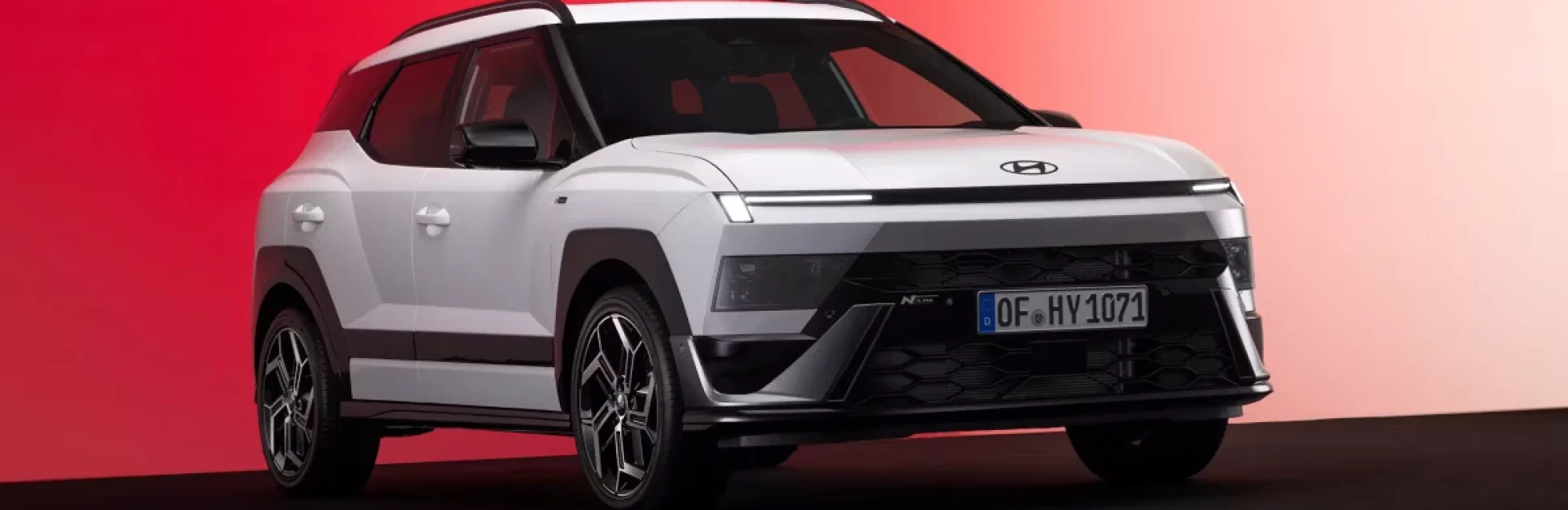
Hyundai Motor Europe today introduces the all-new BAYON, a compact SUV designed to bring bold character, advanced technology and a higher level of passenger comfort to everyday mobility.
The all-new BAYON adopts a more confident SUV identity while combining agility, practicality and everyday ease of use. Its bold exterior design is matched by an interior that combines intuitive technology, advanced driver assistance systems and enhanced comfort for all occupants.
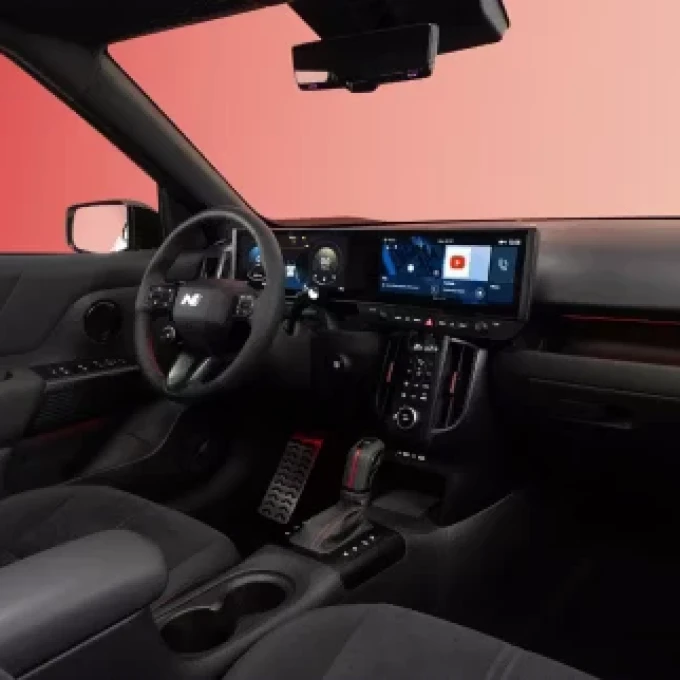
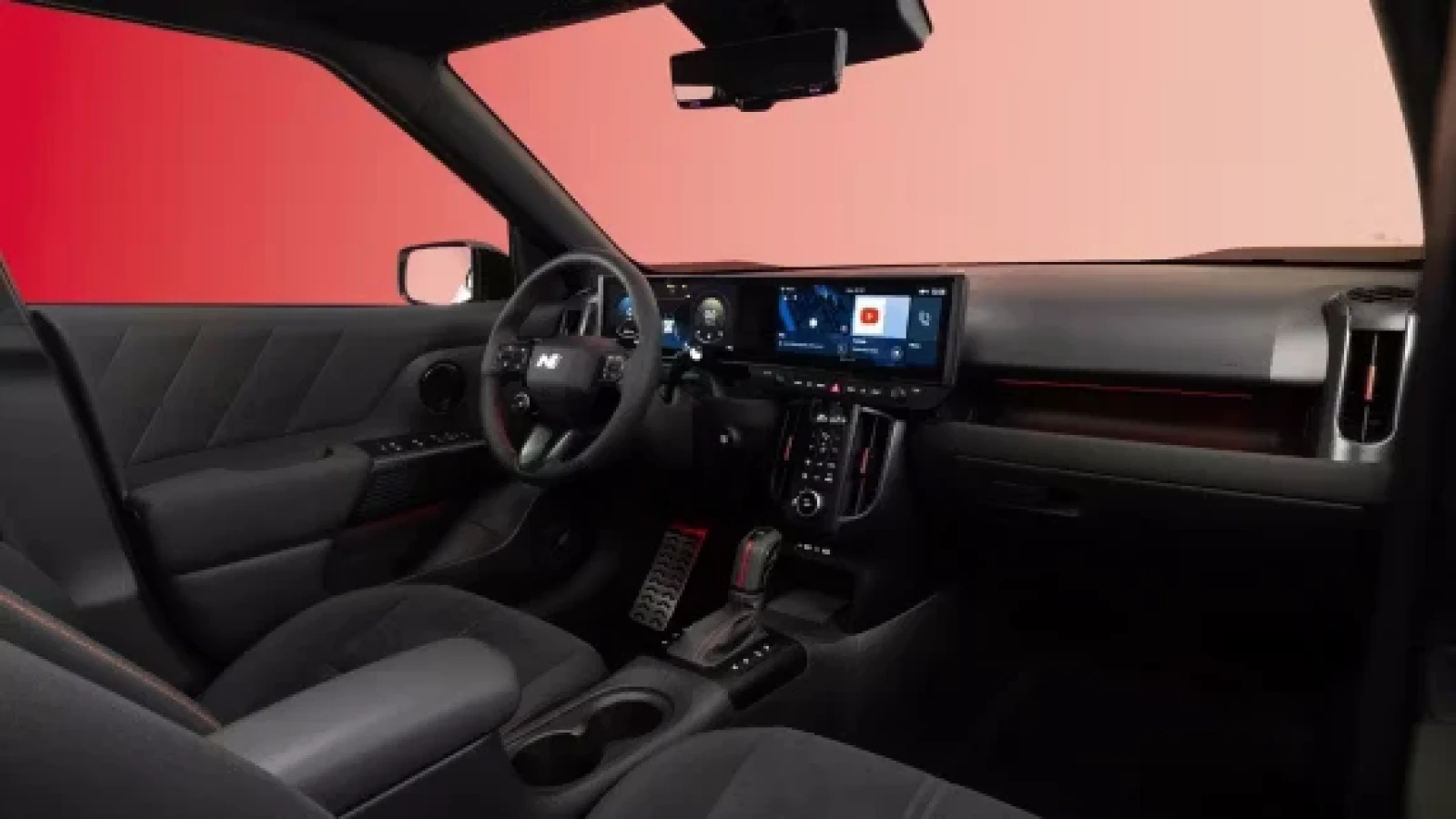
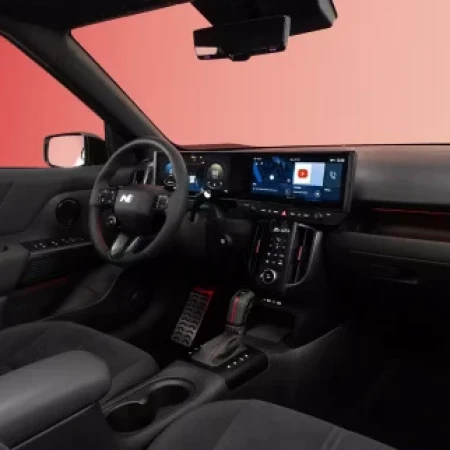
The N Line version adds a sharper, more performance-oriented character with dedicated exterior and interior design elements.
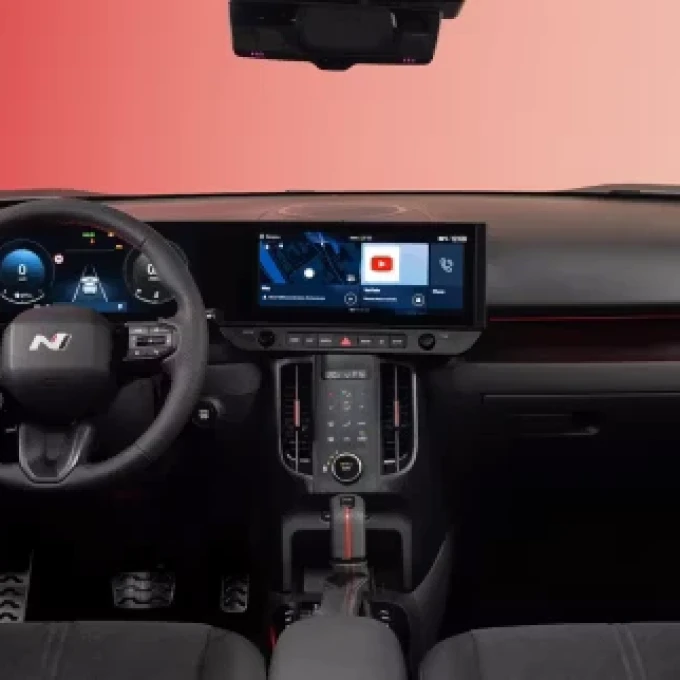
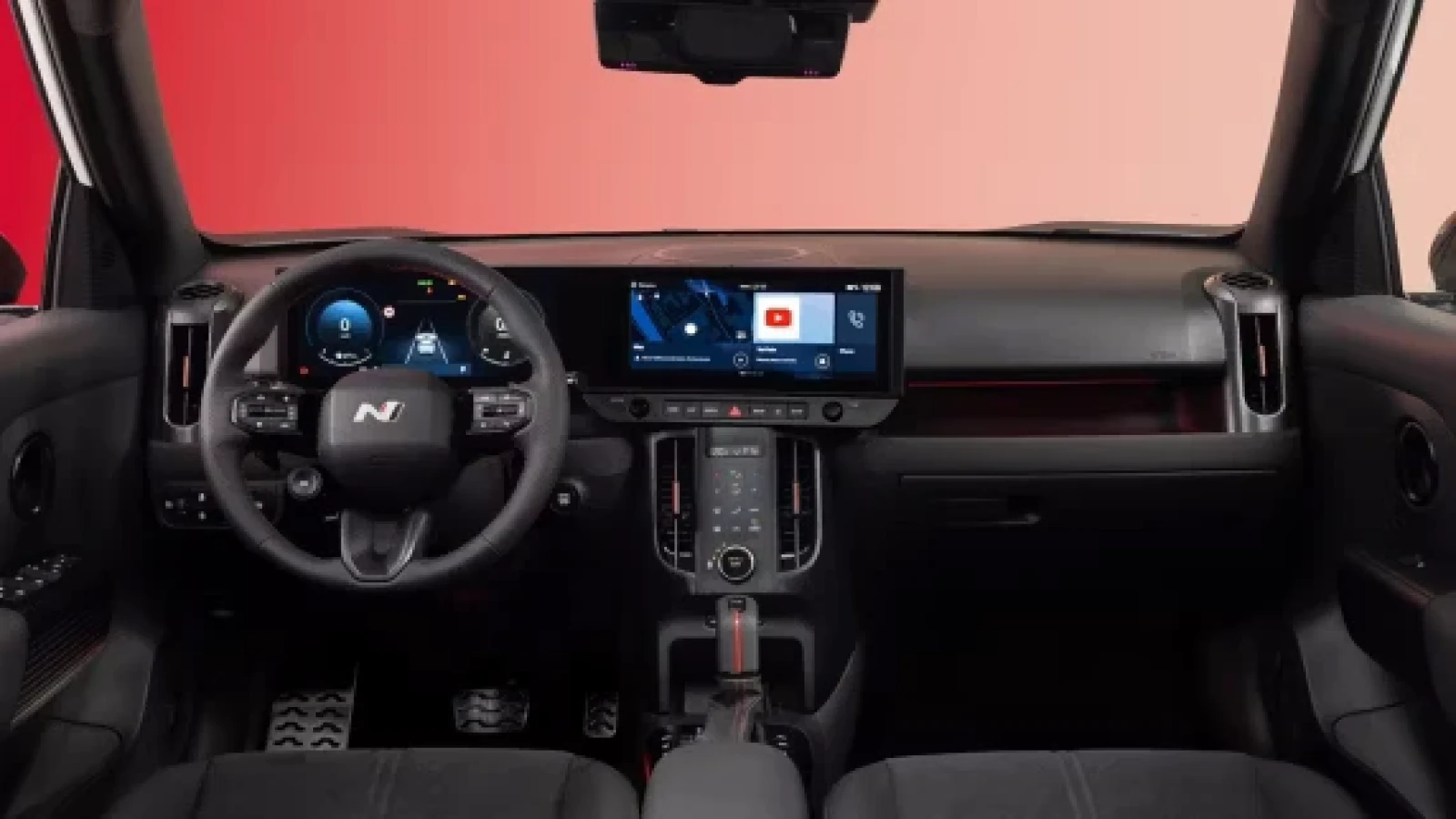
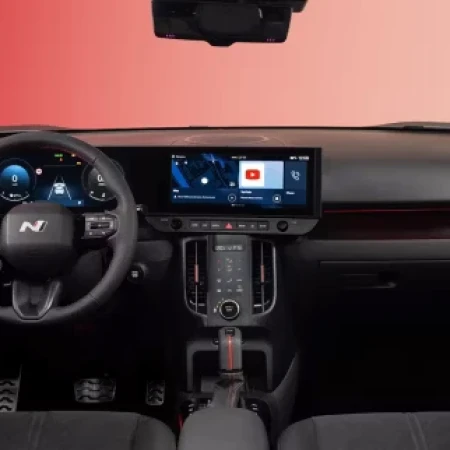
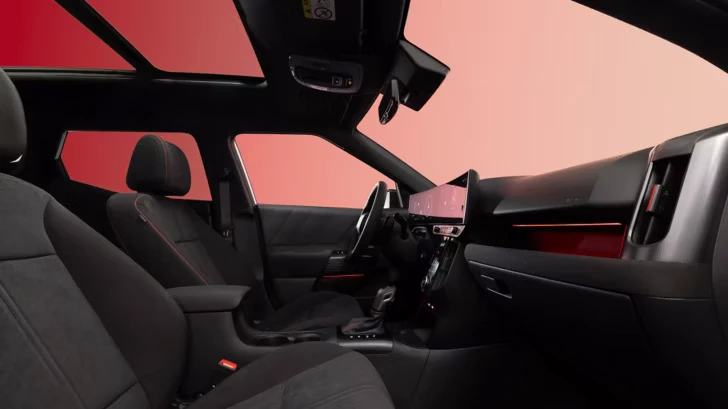
Digital features including Hyundai Digital Key 2, wireless smartphone integration and available dual 12.3-inch curved displays support a seamless connected experience. Front heated and ventilated seats are complemented by enhanced comfort for rear passengers, including increased legroom, reclining rear seats, centre armrest, heated seats and dedicated rear air ducts. Together with an openable panoramic sunroof, these features bring a level of passenger comfort traditionally associated with larger vehicle segments to the compact SUV class.
A hybrid powertrain will broaden the BAYON line-up at a later stage, introducing adaptive regenerative braking controlled through steering-wheel paddle shifters.
For European markets, the all-new BAYON is produced at Hyundai Motor Türkyie (HMTR) manufacturing plant.
What makes the all-new Hyundai BAYON look and feel like a true SUV?
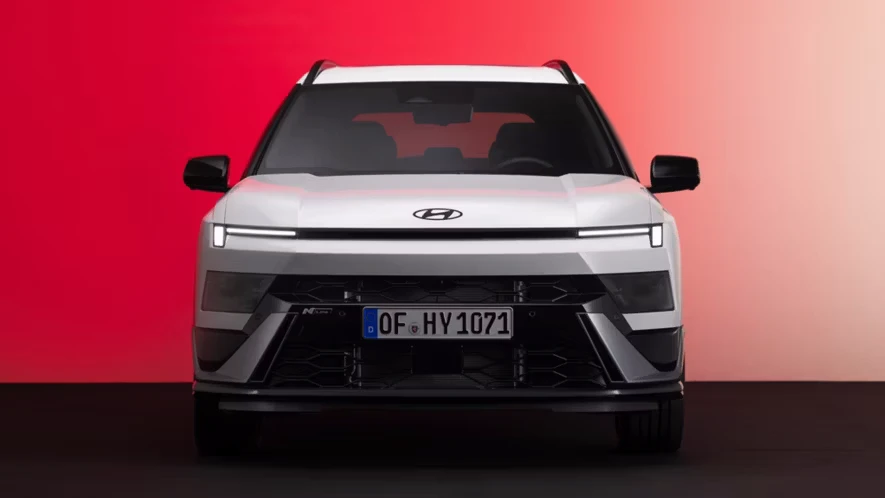
The all-new BAYON has been designed to deliver the confident presence of a true SUV through its upright stance, pronounced SUV design cues and increased ground clearance. A more angular interpretation of Hyundai’s Art of Steel design philosophy combines defined crease lines, strong body volumes and pronounced fenders with a sculpted hood, full-width horizontal lighting signature and rugged skid plate.
Projection LED headlamps with Static Bending Lights complement the distinctive front lighting design. In profile, pronounced wheel arches, contrasting cladding and black A- and D-pillars reinforce its character, while a roof rack further emphasises its sporty SUV silhouette. Compact proportions and short overhangs retain the agility required for urban driving
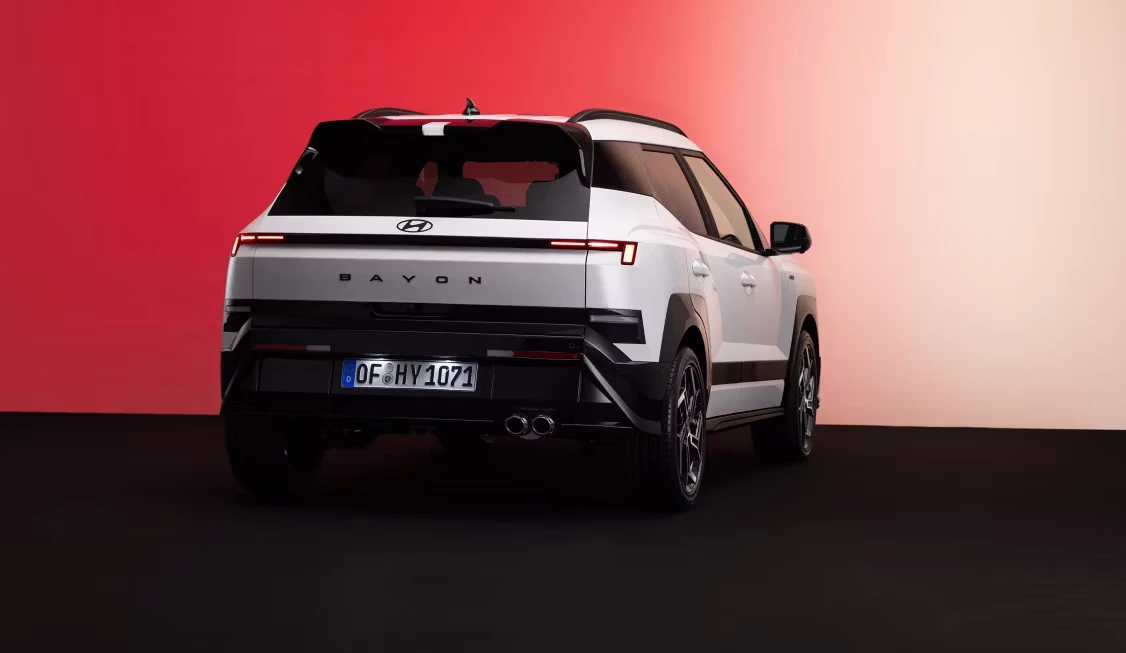
At the rear, a lighting graphic that mirrors the front signature and an angular skid plate create a wide, stable appearance. 18-inch alloy wheels and a black roof further strengthen BAYON’s distinctive look. A wide exterior colour palette includes Vibrant Blue Matte, Ice Blue Matte and Fierce Red Matte, offering customers additional opportunities for personalisation.
What distinguishes the all-new BAYON N Line?
The N Line version adds a sharper, more performance-oriented character through technical mesh details, dedicated lower-bumper winglets, 18-inch N Line-specific wheels and high-gloss black cladding. A rear diffuser with integrated twin exhaust outlets further reinforces its sporty appearance. Inside, N Line-specific cloth and textile suede seats underline its sporty, premium character.
What technology and connectivity features does the all-new Hyundai BAYON offer?
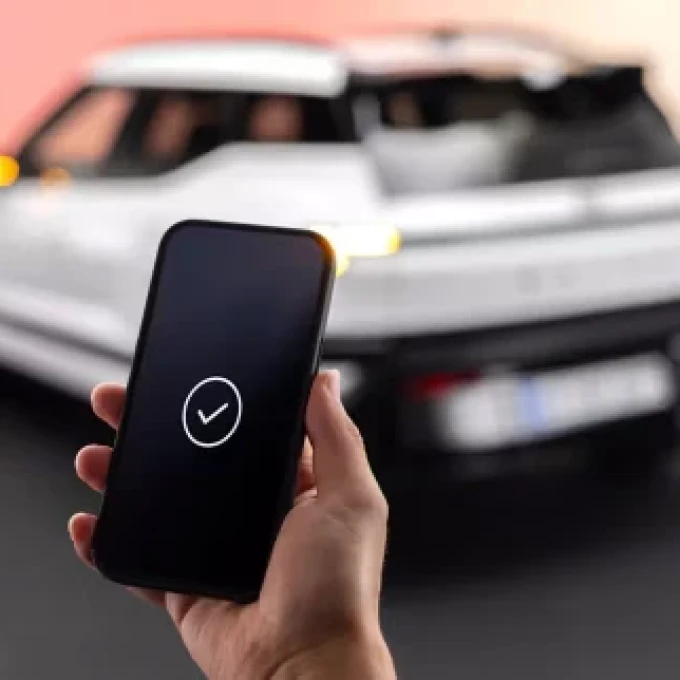
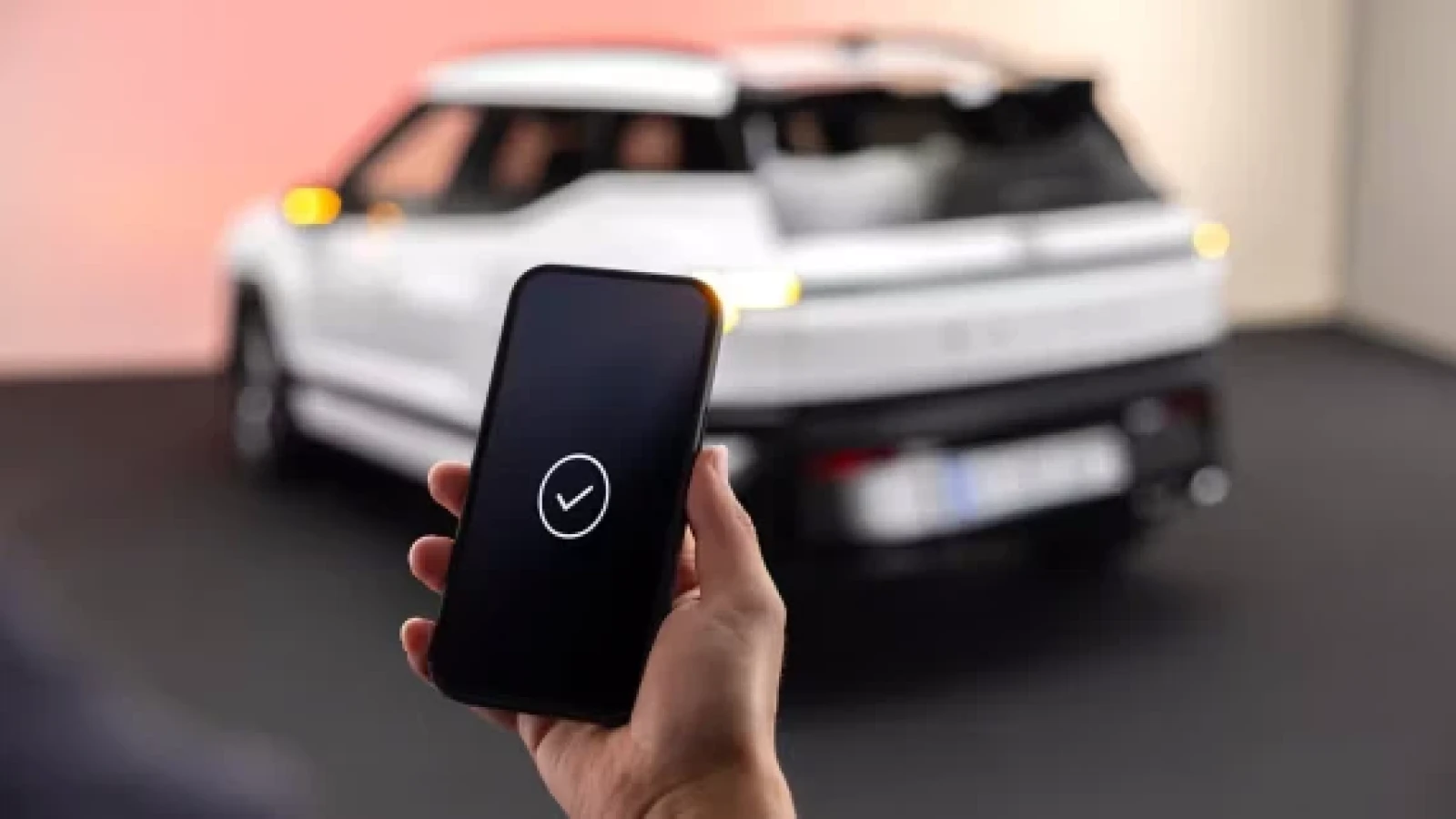
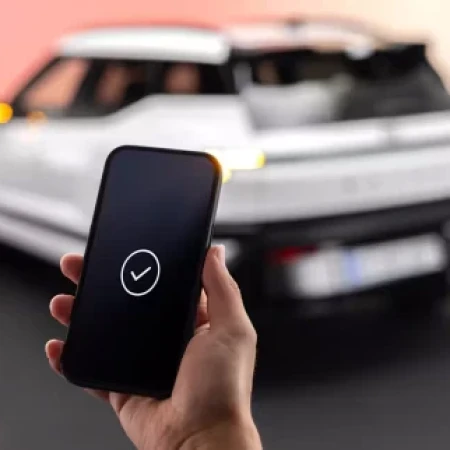
Hyundai Digital Key 2 allows customers to unlock and start the all-new BAYON using a compatible smartphone or smartwatch, while wireless Apple CarPlay and Android Auto connect personal devices without requiring a cable.
Depending on specification, a 12.3-inch infotainment display is combined with a 12.3-inch digital instrument cluster in a curved panoramic layout.
Through the available Entertainment Package, customers can enjoy access to streaming services, including YouTube, directly via the infotainment display.
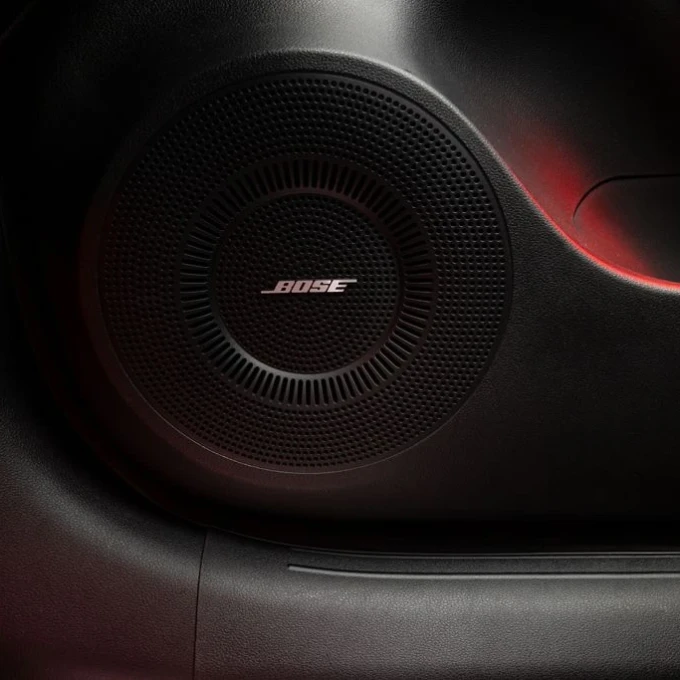
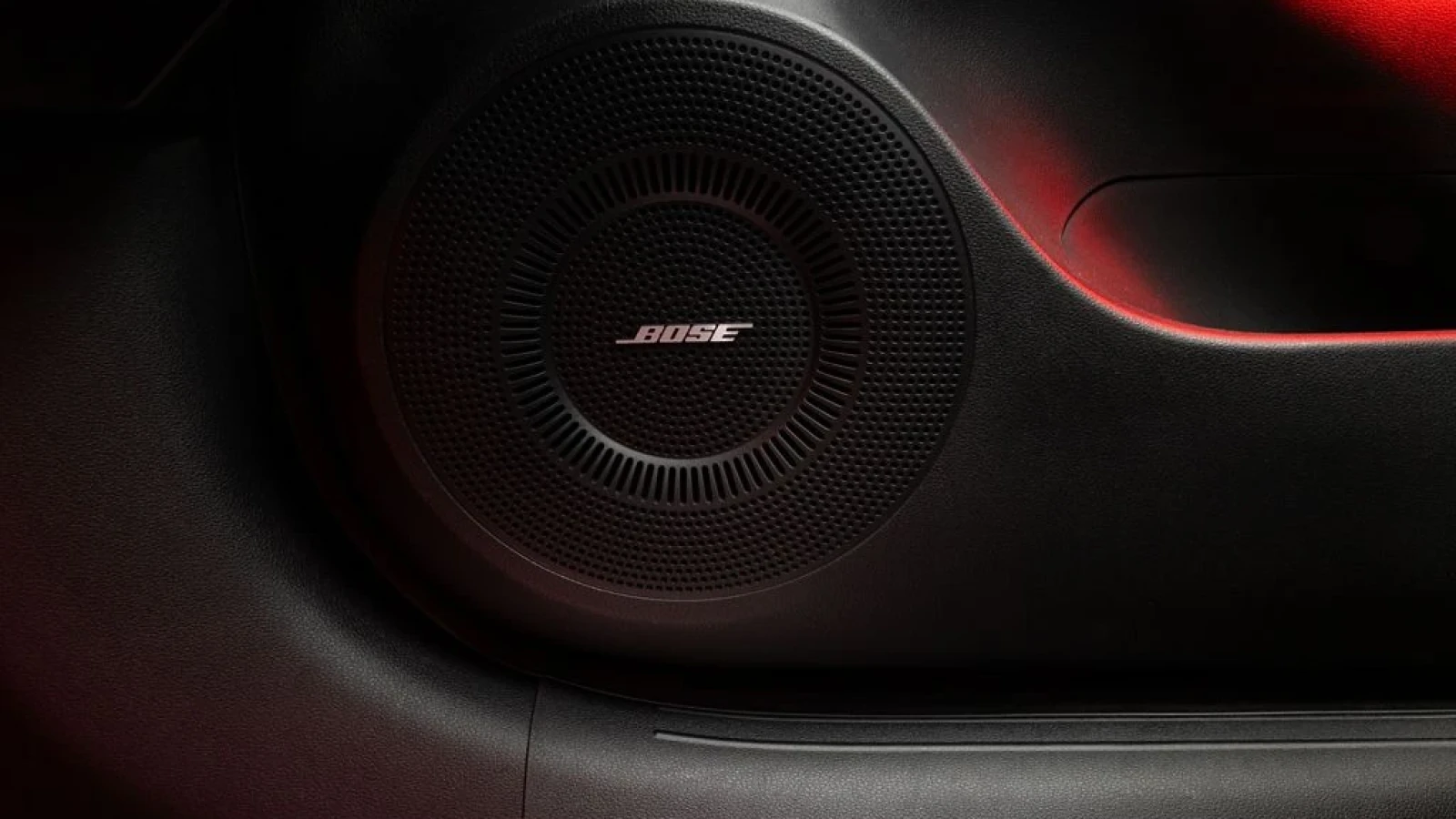
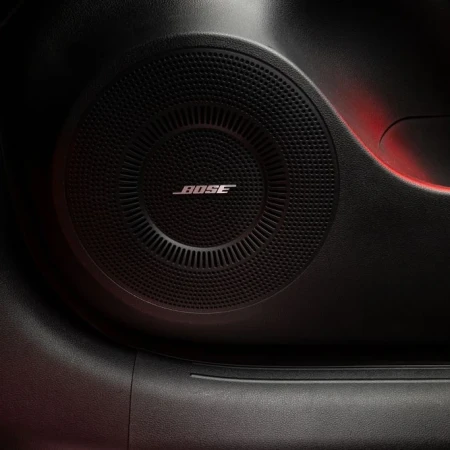
Additional features include two front and one rear USB-C connections, wireless phone charging and an eight-speaker Bose Premium Sound System.
How does the all-new BAYON deliver up-segment comfort?
Available front heated and ventilated seats, driver lumbar support and height adjustment for both front seats help create a personalised and comfortable driving environment. Rear occupants benefit from increased legroom, reclining seatbacks, a centre armrest with integrated cupholders and, depending on specification, heated seats and dedicated air ducts. An openable panoramic sunroof, dual-zone automatic climate control, soft-touch materials and a segment unique dual ambient lighting further enhance the cabin atmosphere.
Which driver assistance technologies are available in the all-new Hyundai BAYON?
The all-new BAYON offers a comprehensive Hyundai SmartSense package designed to assist the driver in city traffic, on highways and during parking manoeuvres. Available technologies include Highway Driving Assist 2 (HDA 2), Surround View Monitor (SVM), Blind-Spot View Monitor (BVM), Forward Collision-Avoidance Assist 2 (FCA 2), Smart Cruise Control (SCC), Lane Following Assist 2 (LFA 2), Blind-Spot Collision-Avoidance Assist (BCA), Rear Cross-Traffic Collision-Avoidance Assist (RCCA) and Parking Collision-Avoidance Assist-Reverse (PCA-R).
How does the all-new BAYON improve space and everyday practicality?
A longer wheelbase supports best-in-class rear legroom, while front and rear headroom and shoulder room are class-leading. Internal-combustion versions are projected to offer 440 litres of luggage capacity, supported by additional storage beneath the luggage-compartment floor and a stowable luggage-compartment cover. This combination of passenger space, practical storage and compact exterior dimensions makes the all-new BAYON suitable for daily commuting, family use and longer journeys.
What electrified powertrain will be available for the all-new Hyundai BAYON?
A new hybrid powertrain is planned to join the BAYON range after the introduction of the initial internal-combustion versions. The system is expected to combine a 1.6-litre GDI engine with an electric motor and six-speed dual-clutch transmission, producing a combined output of 138 PS. Adaptive regenerative braking will adjust recuperation according to driving conditions, while steering-wheel paddle shifters will allow the driver to select the preferred regeneration level.