
How Do Electric Cars Work?
Electric cars are becoming a familiar sight on Irish roads, and here at Fitzpatricks, we’re seeing more and more customers making the switch. Whether you’re completely new to EVs or just want a refresher on the basics, this guide covers everything you need to know about how electric cars work - and why they might be the right choice for you.
Types of Electric Vehicles
Not all ‘electric’ cars are the same. Here are the main types available in Ireland:
Battery Electric Vehicles (BEVs)
Fully electric vehicles that run entirely on battery power. No fuel, no emissions from the tailpipe - perfect for day-to-day driving. Popular examples include the Hyundai IONIQ 5, 6, 9, Inster and Kona, the MG S5, S6 and the new MG 4 Urban, the Opel Frontera, and the new Mercedes-Benz CLA Electric.
Range-Extended Electric Vehicles (REVs)
Less common, REEVs use a small petrol engine purely as a generator to keep the battery topped up. The engine never directly drives the wheels. A handy option if range anxiety is a concern on longer journeys. Check out Leapmotor, who are leading the way in range-extending technology.
Hybrid Electric Vehicles (HEVs)
Full hybrids combine a petrol or diesel engine with an electric motor and a small battery. They’re self-charging - no need to plug in, harvesting energy through braking. Electric power handles lower speeds while the engine takes over on longer motorway journeys.
Plug-In Hybrid Vehicles (PHEVs)
PHEVs combine a combustion engine with a larger battery that you can charge from the mains. They offer the flexibility of electric-only driving for shorter trips, while the engine covers longer distances. PHEVs qualify for reduced Vehicle Registration Tax (VRT) and BIK rates in Ireland.
Mild Hybrid Vehicles (MHEVs)
MHEVs have a petrol or diesel engine supported by an electrical system that improves fuel efficiency - particularly useful in stop-start town driving. The car can’t run on electric power alone, but you’ll notice improved economy and lower emissions.
Charging an Electric Car in Ireland
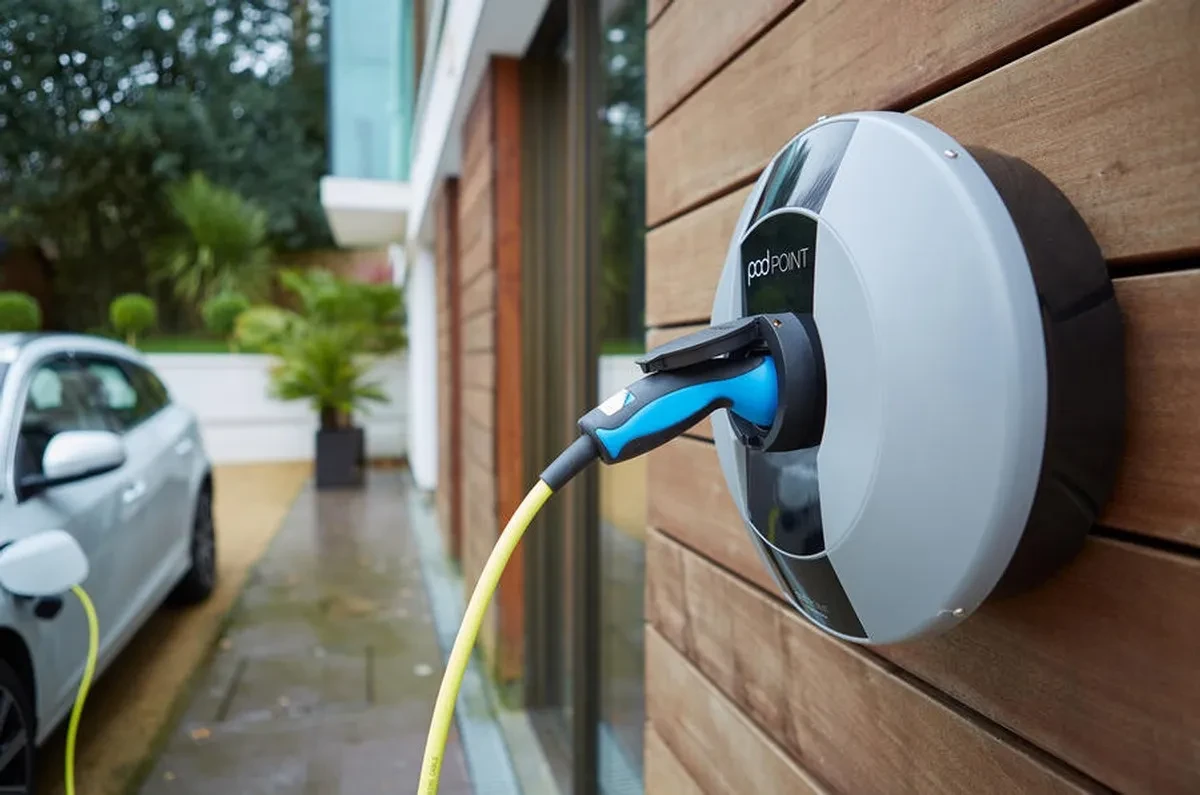
Charging is straightforward, and most EV owners do the majority of their charging at home overnight. There are three main ways to charge:
Standard 3-pin socket: Every home already has one. It’s the slowest option but perfectly fine for overnight top-ups if your daily mileage is modest.
Home wallbox (7.4–22kW): The most popular home solution in Ireland. SEAI (Sustainable Energy Authority of Ireland) currently offers grants of up to €300 towards the cost of installing a home charger - well worth taking advantage of.
Public rapid DC chargers: ESB ecars, Ionity, and Applegreen Electric operate rapid chargers across the Kildare area and on major routes, including the M7. A rapid charger can bring most EVs from low to 80% in around 30 minutes.
For public chargers, a universal Type 2 connector is your best bet - compatible with the majority of charge points across the country. Many rapid chargers also support CCS or CHAdeMO for DC fast charging.
What Are EVs Like to Drive?
Driving an electric car is a genuinely different experience - and most drivers find it a pleasant one. Key characteristics include:
Instant torque and smooth acceleration: No waiting for revs to build - the power is there from the moment you press the pedal.
Quiet cabin: With no engine noise, motorway driving and town driving alike feel noticeably more relaxed.
Automatic transmission: All fully electric cars are automatic, so no clutch or gear changes to worry about.
Zero tailpipe emissions: No exhaust fumes
Regenerative braking: As you lift off the accelerator or brake, the car recovers energy back into the battery - extending your range on every journey.
Irish Incentives for Going Electric
Switching to an EV in Ireland comes with some meaningful financial benefits:
VRT relief: BEVs qualify for VRT relief of up to €5,000, significantly reducing the purchase cost of a new electric car.
SEAI grants: A purchase grant of up to €3,500 is available on new BEVs through the SEAI scheme (subject to eligibility and current funding).
Low motor tax: Fully electric cars pay the minimum motor tax rate in Ireland - currently €120 per year.
Toll discounts: EV drivers benefit from reduced tolls on the M50 and other national routes.
BIK relief: If you’re considering an EV as a company car, there are favourable Benefit-in-Kind tax rates compared to petrol or diesel alternatives.
Ready to explore EVs? Visit us here at Fitzpatricks
Our team at Fitzpatricks is on hand to answer all your questions about electric and hybrid vehicles. Whether you want to book a test drive, explore finance options, or simply find out which EV suits your lifestyle, we’re here to help. Pop in to see us or give us a call - we’d love to guide you through making the switch.